









Struggling with bloating, fatigue, or food sensitivities? You might be wondering about leaky gut syndrome. I’m Alissa, a certified holistic nutrition and gut health specialist, passionate about helping men and women worldwide thrive through gut health. My own digestive challenges inspired me to explore conditions like leaky gut, which is often discussed but not fully understood. This post is here to educate on what leaky gut is, its symptoms, how it’s assessed, treatment options, and a practical plan to support your gut. Let’s dive into gut health together!
What Is Leaky Gut Syndrome?
Leaky gut syndrome, or increased intestinal permeability, is a proposed condition where the small intestine’s lining becomes too permeable, allowing substances like bacteria, toxins, and undigested food particles to pass into the bloodstream, potentially triggering inflammation. While not a formal medical diagnosis, it’s associated with conditions like irritable bowel syndrome (IBS), inflammatory bowel disease (IBD), and celiac disease. The intestinal barrier, just one cell thick, balances nutrient absorption with protection against harmful substances. When damaged, often by diet, stress, or infections, this barrier may weaken, leading to systemic inflammation.
Symptoms of Leaky Gut
Leaky gut is linked to a range of symptoms, though these overlap with other conditions:
- Digestive Issues: Bloating, diarrhea, abdominal pain, distension, and early satiety.
- Fatigue: Chronic tiredness, possibly due to inflammation or nutrient malabsorption.
- Food Sensitivities: Reactions to foods like gluten, worsened by increased permeability.
- Skin Problems: Acne or eczema, potentially linked to gut-skin axis inflammation.
- Mood Changes: Anxiety or brain fog, tied to the gut-brain axis. My digestive struggles showed me how these symptoms can disrupt daily life, motivating my holistic approach.
How to Tell If You Have Leaky Gut
Diagnosing leaky gut is challenging, as it’s not a recognized medical condition and lacks a standard test.. Healthcare providers may use:
- Clinical Evaluation: Reviewing medical history and symptoms like chronic bloating or food sensitivities.
- Physical Exam: Checking for abdominal tenderness or irregular bowel sounds.
- Blood Tests: Detecting antibodies or endotoxins suggesting bacterial infiltration.
- Urine Tests: Measuring sugar levels (e.g., lactulose-mannitol test) to assess permeability.
- Specialist Consultation: Gastroenterologists or functional medicine practitioners can rule out conditions like IBS or celiac disease. Since symptoms overlap with other disorders, you can consult a healthcare provider for accurate assessment.
Consequences of Not Addressing Leaky Gut
If left unaddressed, increased intestinal permeability may worsen:
- Chronic Inflammation: Toxins in the bloodstream can trigger systemic inflammation, linked to obesity, diabetes, or heart disease.
- Digestive Distress: Persistent bloating, diarrhea, or pain.
- Nutrient Deficiencies: Impaired absorption may lead to fatigue or weakened immunity.
- Autoimmune Flares: Some evidence suggests links to rheumatoid arthritis or lupus, though data is limited.
- Mental Health Issues: Gut-brain axis disruption may increase anxiety or depression. My experience with digestive issues and the loss of my mother to a related cancer, showed me the importance of addressing these symptoms early.
Treatment Options for Leaky Gut
Since leaky gut isn’t a formal diagnosis, treatments focus on reducing permeability and supporting gut health:
- Dietary Changes:
- Eliminate Triggers: Avoid gluten, ultra-processed foods, and emulsifiers, which may increase permeability.
- Add Gut-Friendly Foods: Include fiber-rich foods (e.g., flaxseeds, 3g fiber per tbsp) and antioxidants (e.g., berries).
- Incorporate Probiotics: Support microbiome balance with foods like sauerkraut or supplements like IM8 Daily Ultimate Essentials .
- Lifestyle Adjustments:
- Reduce Stress: Cortisol increases permeability; try diaphragmatic breathing (5 deep belly breaths daily).
- Exercise: 20–30 minutes of walking daily improves gut motility.
- Sleep: Aim for 7–8 hours nightly to support gut repair.
- Supplements: : L-glutamine, zinc carnosine, or collagen may strengthen the gut lining, though evidence is preliminary. IM8 Daily Ultimate Essentials, with probiotics (10 billion CFU), prebiotics (agave inulin), and anti-inflammatory compounds (turmeric, ginger), may support gut health, but consult your doctor first before adding new supplements.
Your 7-Day Gut-Healing Plan
This plan, inspired by my 7-Day Ultimate Gut & Metabolism Reset Plan, supports gut health and reduces bloating with non-kefir ingredients.
Day 1–7:
- Morning:
- Drink lemon water (1/2 lemon in 8 oz water) to hydrate and support digestion.
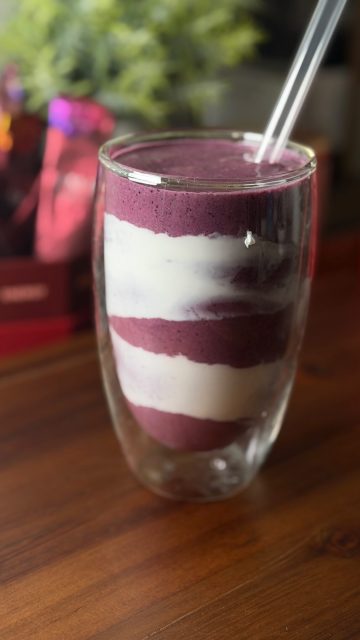
- Breakfast: Smoothie with ½ cup blueberries, 1 tbsp flaxseeds (3g fiber), spinach, and almond milk.
- Midday:
- Lunch: Quinoa salad (5g fiber per cup) with grilled chicken, olive oil dressing, and zucchini, per my quinoa bowl post.
- 10-minute post-meal walk to boost motility.
- Evening:
- Dinner: Baked salmon, roasted sweet potato, and steamed broccoli for omega-3s and fiber.
- Practice 5 deep diaphragmatic breaths to reduce stress.
- Snack: ½ cup raspberries with 1 tbsp chia seeds (10g fiber) for antioxidants and fiber.
- Hydration: Drink 8–10 cups water daily to support gut lining.
- Sleep: 7–8 hours nightly, finishing dinner 3 hours before bed.
- Optional Supplement: Consider IM8 (probiotics, prebiotics, 10 billion CFU and more) with code ALISSA10 for a discount.
Tips:
- Avoid ultra-processed foods and artificial sweeteners, which may increase permeability.
- Chew slowly and fully to aid digestion.
- Track symptoms in a journal to identify triggers.
Why It Works
This plan reduces inflammation with fiber (flaxseeds, berries), supports the microbiome with probiotics, and promotes gut motility through hydration, movement, and stress relief. My digestive journey showed me how these steps ease bloating and boost energy, aligning with emerging research on intestinal permeability.
Your Path to Gut Healing
Leaky gut may not be a formal diagnosis, but its symptoms—bloating, fatigue, food sensitivities—can disrupt your life. By nourishing your gut with fiber-rich foods, reducing stress, and prioritizing sleep, you can support your body’s natural balance. Like a peony blooming, each small step brings you closer to vibrant health. My 7-Day Plan is your guide to start this journey, inspired by my own path through digestive challenges.
Take Action
Ready to support your gut health? Try these:
- Start with Warm Lemon Water: Squeeze ½ lemon into 8 oz water each morning.
- Add Fiber: Include 1 tbsp flaxseeds in your smoothie for gut support.
- Move Daily: Take a 10-minute walk after lunch to enhance digestion.
- Explore Supplements: Browse probiotics at Healthillie or look into an all in one supplement like IM8 (use code ALISSA10 to save on your first order).
What’s your first step to gut healing? Share in the comments—I’d love to cheer you on! Follow @AlissaMarie.Wellness on Instagram more gut health tips and recipes.
Disclaimer:
I’m not a medical doctor. This information is for educational purposes and not intended to diagnose, treat, or prevent disease. Consult your healthcare provider before making changes. This post contains affiliate links; I may earn a commission on purchases.