






Introduction
Polycystic Ovary Syndrome (PCOS) affects 6–12% of women, causing irregular periods, weight gain, acne, and bloating. As Alissa, a certified holistic nutritionist and personal trainer, I’m passionate about helping women worldwide thrive through gut health. My own chronic digestive issues inspired my gut-focused approach to PCOS management. This post dives deep into how nutrition and lifestyle support hormonal balance, reduce symptoms, and boost energy. Let’s empower your wellness!
Understanding PCOS and Its Symptoms
PCOS is a hormonal disorder linked to insulin resistance and elevated androgens. Common symptoms include:
- Irregular Periods: Skipped or heavy cycles due to ovulation issues.
- Weight Gain: Insulin resistance promotes fat storage, especially abdominal.
- Acne and Hair Growth: Excess androgens cause skin and hair changes.
- Bloating and Fatigue: Gut dysbiosis exacerbates discomfort, per.
- Mood Swings: Hormonal imbalances affect the gut-brain axis, increasing anxiety. My digestive struggles showed me how gut health ties to these symptoms, driving my mission to help you thrive.
Why Nutrition and Gut Health Matter for PCOS
PCOS disrupts insulin sensitivity and gut microbiota, worsening bloating and energy slumps, per. A gut-focused diet can:
- Balance Blood Sugar: Low-glycemic index (GI) foods like quinoa prevent insulin spikes.
- Reduce Inflammation: Anti-inflammatory foods like berries calm androgen-driven symptoms.
- Support Gut Health: Fiber from flaxseeds feeds beneficial bacteria, easing bloating.
- Boost Energy and Clarity: Stable hormones improve mood and stamina. Swapping inflammatory oils (e.g., canola) for olive oil, as I shared in a previous post, is a game-changer for PCOS.
Consequences of Poor PCOS Management
Without targeted nutrition and lifestyle changes:
Fertility Challenges: Irregular ovulation complicates conception. My own digestive challenges underscored the need for a holistic approach to manager prevent disease. Consult your healthcare provider before making changes.
Worsened Insulin Resistance: Increases weight gain and diabetes risk.
Persistent Bloating: Gut imbalances amplify discomfort.
Chronic Fatigue: Blood sugar swings decrease energy.
Mood Disruption: Gut-brain imbalances heighten anxiety.
Comprehensive Strategies for Managing PCOS
Here are science-backed dietary and lifestyle tips to support PCOS, focusing on gut health and hormonal balance:
Dietary Strategies
- Choose Low-GI Foods: Opt for quinoa (5g fiber per cup) or sweet potatoes over white rice to stabilize blood sugar.
- Incorporate Anti-Inflammatory Foods: Add 1/2 cup raspberries (4g fiber) to smoothies to reduce androgen-driven inflammation.
- Boost Fiber: 1 tbsp flaxseeds (3g fiber) in oatmeal supports gut bacteria and insulin sensitivity.
- Prioritize Omega-3s: Include baked salmon or walnuts (weekly) to lower inflammation.
- Swap Inflammatory Oils: Use olive oil or grass-fed ghee instead of canola.
- Add Protein: Greek yogurt with berries for satiety and muscle health, supporting weight management.
- Limit Sugar: Swap soda for peppermint tea to avoid insulin spikes.
Sample Meal Plan:
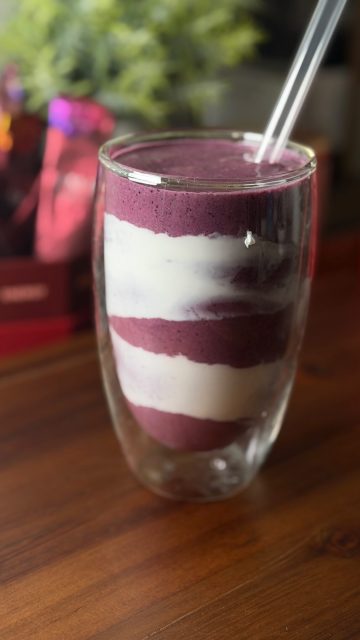
- Breakfast: Smoothie (1 cup almond milk, 1/2 cup raspberries, 1 tbsp flaxseeds, spinach).
- Lunch: Grilled chicken salad with olive oil dressing, quinoa, spinach, walnuts.
- Dinner: Baked salmon, roasted sweet potato, steamed zucchini.
- Snack: Greek yogurt with 1/2 cup blueberries, 1 tbsp chia seeds (10g fiber).
Lifestyle Strategies
- Move Daily: 20–30 minutes of brisk walking (or post-meal 10-minute walks) improves insulin sensitivity.
- Strength Training: Try Goblet Squats or Glute Bridges (3 sets, 10–12 reps, 1x/week) to boost metabolism.
- Stress Management: Practice Seated Spinal Twist (30 seconds per side, 2x/week) or diaphragmatic breathing (5 deep breaths daily) to lower cortisol.
- Prioritize Sleep: Aim for 7–8 hours nightly, finishing dinner 3 hours before bed to support gut health.
- Mindful Eating: Chew slowly to reduce bloating and improve digestion.
Sample Day:
- Morning: 20-minute walk, smoothie with flaxseeds.
- Afternoon: Quinoa salad, 5 deep breaths.
- Evening: Baked salmon, Seated Spinal Twist, no screens 1 hour before bed.
Why It Works
This approach targets PCOS’s root causes—insulin resistance and gut dysbiosis. Low-GI, high-fiber foods like quinoa and flaxseeds stabilize blood sugar and feed beneficial gut bacteria, reducing bloating. Omega-3s and olive oil lower inflammation, easing acne and weight gain. Movement and stress relief improve insulin sensitivity and mood, per Endocrine Reviews (2020). My digestive journey showed me how these strategies create balance.
Your Path to Balance
Living with PCOS can feel overwhelming, but small, intentional changes in nutrition and lifestyle can transform how you feel. By nourishing your gut with fiber-rich foods like flaxseeds and berries, moving your body with walks or strength training, and prioritizing stress relief and sleep, you’re taking control of your hormonal health. Imagine feeling more energized, less bloated, and clearer in mind—starting today. My 7-Day Ultimate Gut & Metabolism Reset Plan is your guide to kickstart this journey, inspired by my own path through digestive challenges. Let’s make wellness your reality, one step at a time!
Take Action
Ready to thrive with PCOS? Start with these simple steps:
- Swap One Food: Replace white bread with quinoa or Ezekiel bread for a low-GI boost.
- Add Fiber: Sprinkle 1 tbsp flaxseeds on your morning oatmeal or smoothie.
- Move Today: Take a 10-minute walk after lunch to support digestion and insulin sensitivity.
- Try a Stress-Reliever: Do 5 deep diaphragmatic breaths or a 30-second Seated Spinal Twist tonight.
What’s your first step to managing PCOS?
Share in the comments below—I’d love to cheer you on! Follow @AlissaMarie.Wellness on Instagram for more gut health tips and recipes. Let’s thrive together!
Disclaimer:
This information is for educational purposes and not intended to diagnose, treat, or prevent disease. Consult your healthcare provider before making changes.