









Irritable Bowel Syndrome (IBS) can make daily life tough with bloating, cramping, or irregular digestion. I’m Alissa, a certified holistic nutritionist and personal trainer, helping men and women worldwide thrive through gut health. Having faced chronic digestive issues, I know the struggle. This post shares science-backed nutrition and lifestyle tips to manage IBS symptoms, inspired by my own gut health struggles. Let’s ease our guts!
Why Nutrition Matters for IBS
IBS affects 10–15% of adults, per the American College of Gastroenterology (2021). Triggers like stress or inflammatory foods (e.g., seed oils) can worsen symptoms. A low-FODMAP diet, high-fiber foods (for IBS-C), or gentle carbs (for IBS-D) can help. Swapping canola oil for olive oil and adding chia seeds supports gut balance.
Consequences of Poor IBS Management
Without proper nutrition:
- Worsened Symptoms: Bloating, diarrhea, or constipation persist.
- Low Energy: Gut irritation saps stamina.
- Mood Impact: The gut-brain axis links IBS to anxiety. My digestive journey taught me that smart food choices ease discomfort.
Tips to Manage IBS
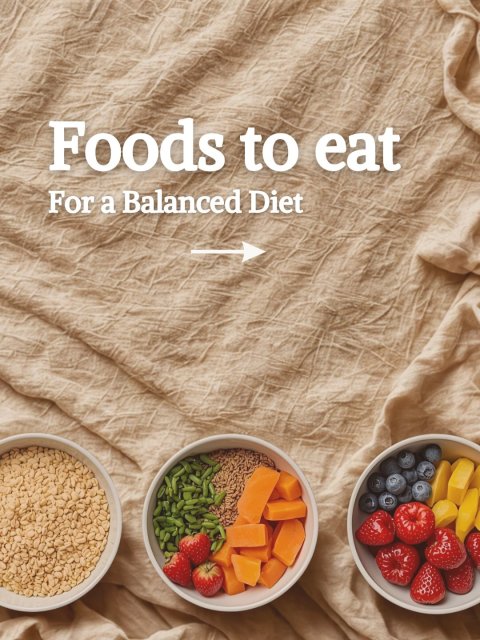
- Try Low-FODMAP Foods: Choose rice, oats, or zucchini over garlic/onions. See my quinoa bowl.
- Boost Soluble Fiber: 2 tbsp chia seeds (10g fiber) in smoothies for IBS-C. Avoid for IBS-D.
- Swap Inflammatory Oils: Use olive oil or ghee.
- Stay Hydrated: Drink 8 cups water daily to aid digestion.
- Mindful Eating: Chew slowly to reduce bloating.
- Stress Less: Try diaphragmatic breathing (5 deep breaths).
Sample Meal: Chia pudding (1/4 cup chia seeds, 1 cup almond milk, ½ cup blueberries), grilled chicken with zucchini, brown rice.
Take Action
Start with one swap, like olive oil for canola. Get my Free 7-Day Gut & Metabolism Reset Plan or join my 4 week Ultimate Gut & Metabolism Reset.
Don’t forget to check out the Low-FODMAP list of foods -in my post here.
Comment your IBS tip! Follow @AlissaMarie.Wellness for my next post Sunday on PCOS. Let’s thrive!
Disclaimer
This information is for educational purposes and not intended to diagnose, treat, or prevent disease. Consult your healthcare provider before making changes.